Why they rank here
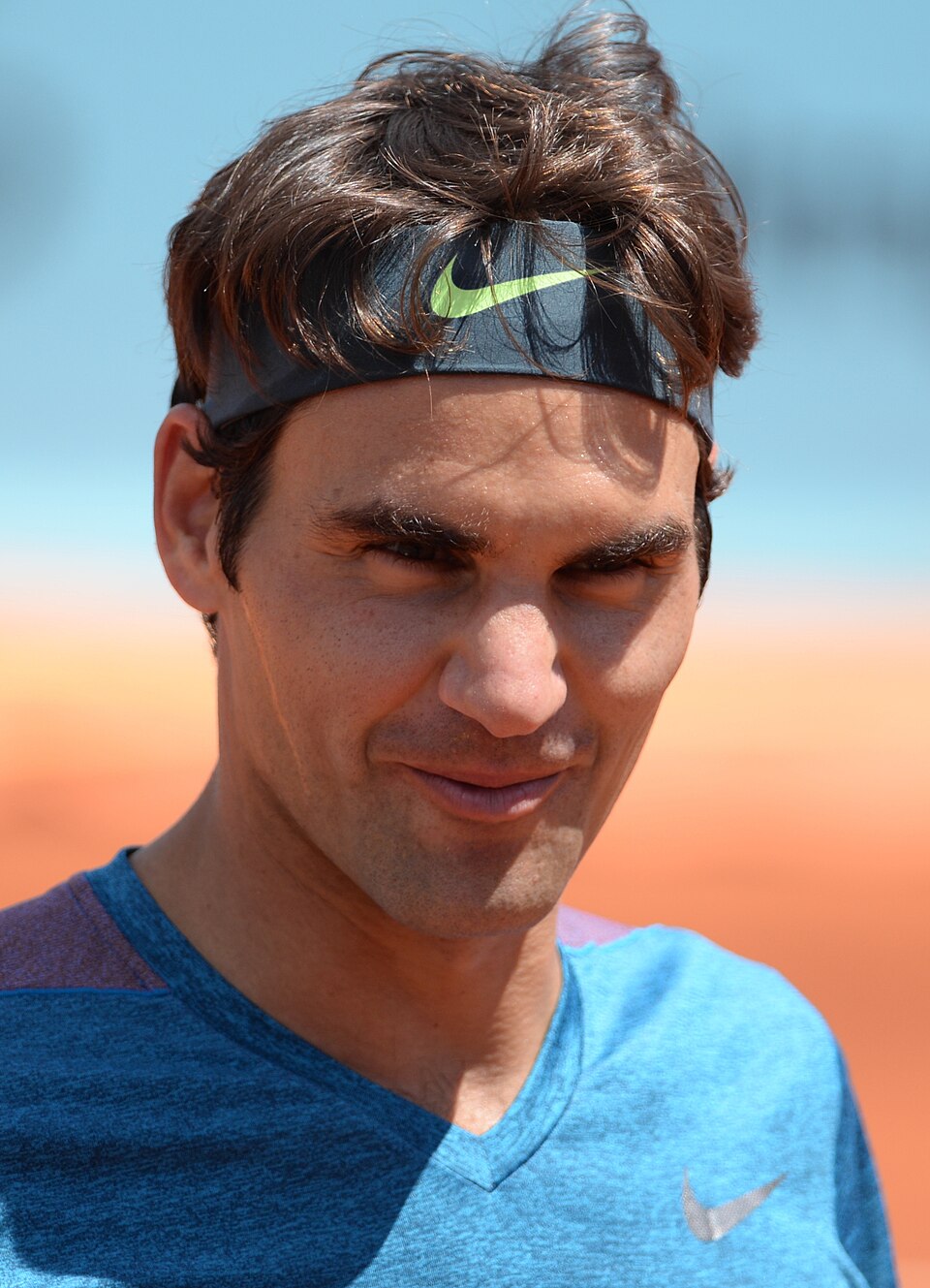
Federer's statistical case rests on a peak no one has matched: between 2004 and 2008 he held the No.1 ranking for a record 237 consecutive weeks, reached 18 of 19 Grand Slam finals from 2005-2010, and made 23 consecutive Slam semifinals — a streak of durable excellence that may be the safest record in tennis. He finished with 20 majors, 310 total weeks at No.1, 103 tour titles (second in the Open Era only to Connors), a record 8 Wimbledons, and 6 ATP Finals crowns. The aesthetic argument — the effortless movement, the all-court shotmaking that drew Wallace's 'religious experience' essays — is inseparable from his impact: he globalised the sport's audience in the 2000s like no player before him. The counterargument is equally clear: losing head-to-heads against both Nadal (16-24) and Djokovic (23-27), and a 2004-07 stretch inflated by a weaker field than his rivals faced. His 2017 Australian Open, won at 35 off a six-month injury layoff by beating Nadal in five sets, remains the most romantic single result of the era.
Career profile
Each bar shows how this athlete compares with the strongest in our all-time list for that metric.
Head-to-head
Compare career numbers side by side.